KPV inflammatory experiments
Lysine, proline and valine: a small peptide with a surprisingly particular set of inflammatory experiments.
Gut-cell and macrophage experiments
KPV reduced NF-kB and MAP-kinase activity in intestinal epithelial and immune cells grown in culture. Those signalling systems help drive inflammatory responses. A transporter called PepT1 carried KPV into the cells; inflammatory cytokine secretion fell.
Then there is a less tidy finding. In mouse peritonitis and cultured macrophage experiments, KPV reduced the accumulation of inflammatory white cells, while the macrophages did not show the reduced cytokine release seen with core alpha-MSH peptides. The authors suggested inhibition of IL-1beta function as an explanation for KPV's distinct action.
I distrust a broad claim about calming inflammation when it sweeps these differences away. A gut cell and a macrophage have different jobs, and the experimental conditions differ too. I prefer KPV with these awkward specifics intact: there are particular responses to explain, rather than a universal quieting effect to admire.
The stimulus and cell type are the questions I ask first.
The mouse recovery findings
In experimental colitis in mice, KPV treatment was associated with earlier recovery and stronger regain of body weight. Colon tissue also showed less inflammatory-cell infiltration and lower myeloperoxidase activity, a marker associated with those cells. KPV’s anti-inflammatory activity was retained in mice deficient in MC1R, one of the melanocortin receptors.
KPV corresponds to the end of alpha-MSH, a hormone with both pigmentary and anti-inflammatory actions. The review of alpha-MSH and related tripeptides describes KPV retaining anti-inflammatory activity without the pigmentary action. The receptor-deficient mouse finding adds a specific reason to investigate how KPV acts.
Earlier recovery in sick mice matters. A human bowel-disease trial measuring symptoms and safety alongside tissue changes would be a welcome next step. The evidence discussed here remains preclinical.
KPV in wounded rabbit corneas
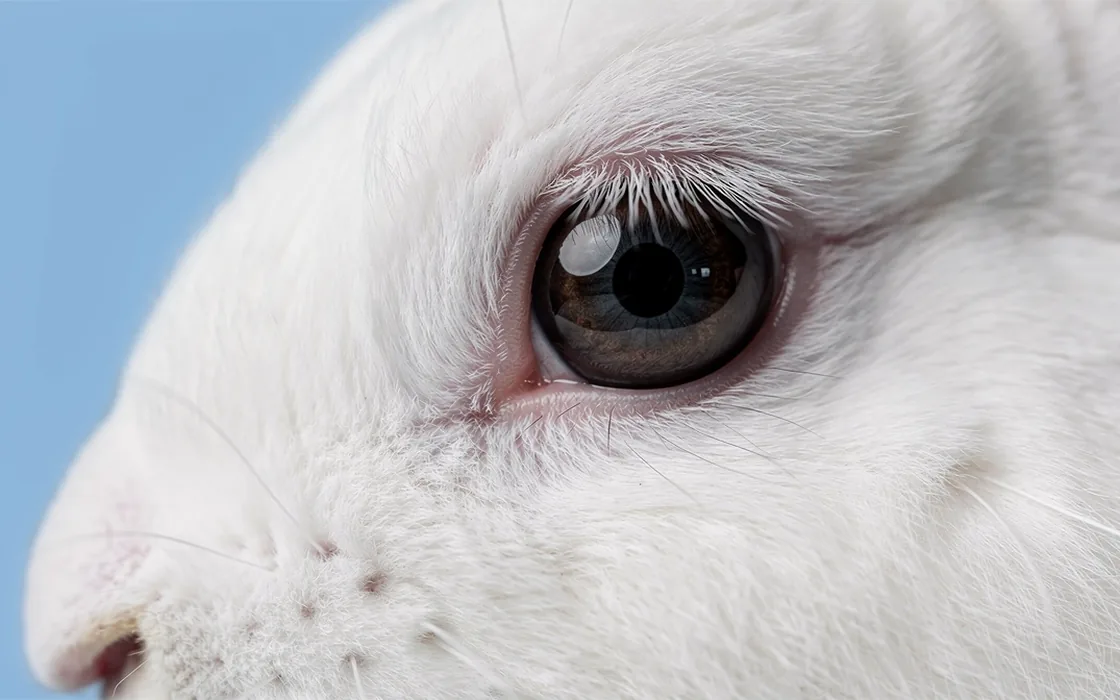
The rabbit corneal wound experiment gives a more tangible repair result: by 60 hours, 8/8 KPV-treated corneas had completely re-epithelialized, versus none in the placebo group (P<0.05). Re-epithelialization means the surface cells had covered the wound again. The work linked the effect to nitric oxide.
I appreciate the directness of a surface closing. It still leaves a small animal experiment about the cornea, the clear front of the eye. Human symptom relief, visual function and lasting safety would need their own investigation.
Protected KPV and combination treatments
Free KPV is vulnerable to breakdown, which helps explain the elaborate delivery work. A mouse study of KPV-loaded nanoparticles in a hydrogel delivered the peptide to inflamed colon tissue and reduced colitis severity more effectively than non-targeted formulations.
A later KPV and FK506 co-assembly study in mice paired the peptide with an immunosuppressant. The combination restored tight-junction proteins and reduced inflammatory cytokines beyond either agent alone. These proteins help seal the gaps between neighbouring cells.
Here is a pairing with a direct comparison. The carrier and the second active ingredient help define what produced the result. KPV alone, a protected formulation and a KPV–FK506 treatment each require their own account.
Human safety and status
Published human trials have yet to establish KPV's clinical benefit or safety. Its human pharmacokinetics—how it moves through and leaves the body—also remain unvalidated. The preclinical review supports further investigation rather than a human treatment plan.
KPV has no FDA approval for human use and is research material, not an approved drug or dietary supplement. Reliable community reports are too sparse to support a useful list of benefits or side effects; personal accounts are anecdotal and provide no clinical evidence.
The responses described in these experiments are quite specific. Applying those findings to a person's gut symptoms, skin problem or injury still requires the missing human work.